
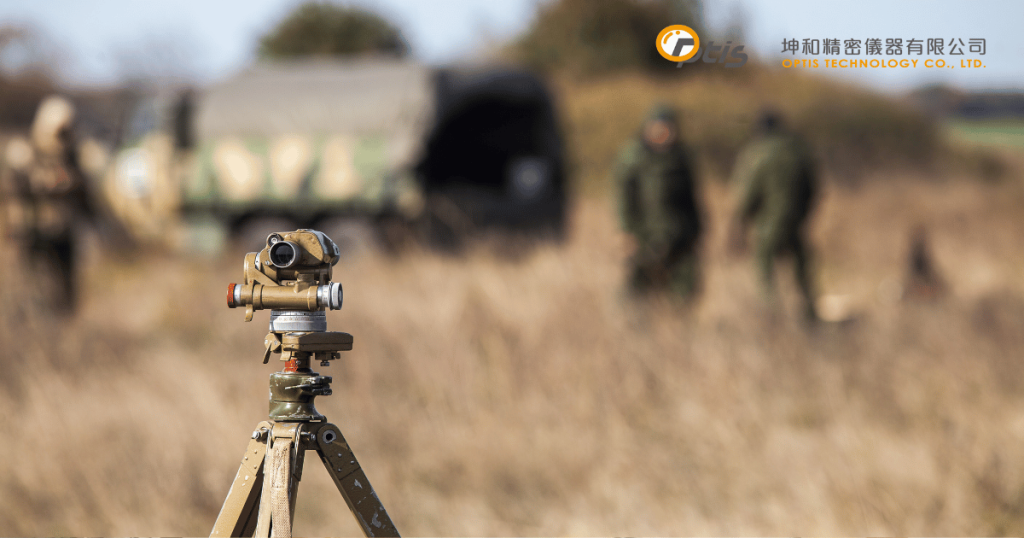
Sight units serve as the primary visual interface between warfighters and their operational environment. They enable more accurate target engagement, faster response times, and safer observation under complex battlefield conditions.
Modern sight units combine precise optical engineering, durable mechanical structures, and advanced fire-control components. This comprehensive guide explains the fundamental technologies behind sight units, how they are built, how they perform in the field, and how to evaluate them for military applications.
It also includes practical examples, case studies, and engineering considerations to support informed procurement and system design.
What Is a Sight Unit? Understanding Military Optical Systems
Sight units are optical devices developed to support aiming, observation, and fire-control tasks across diverse weapon platforms. Their purpose is not only to magnify a target but also to provide consistent accuracy, distance estimation, and environmental resistance during real-world combat use. Military sight units differ significantly from civilian rifle scopes in durability, capability, and integration potential.
Sight units typically include an optical system, reticle design, illumination components, adjustment mechanisms, and protective housings. These elements work together to help operators acquire targets quickly, estimate range more accurately, and apply fire-control corrections efficiently.
Definition and Core Function
A sight unit performs three primary functions that support effective battlefield engagement.
- It assists in target acquisition by improving clarity and contrast.
- It supports range estimation using calibrated reticles or integrated sensors.
- It provides fire-control assistance through precise elevation and windage adjustments.
Military sight units differ from civilian scopes in durability standards, integration with night or thermal systems, compatibility with fire-control modules, and their ability to maintain zero under heavy recoil.
Historical Development of Sight Unit Technology
Sight unit technology evolved alongside major military advancements. Early designs relied on simple mechanical alignment systems during World War I and II. The Cold War era introduced more advanced lens coatings, improved precision machining, and ruggedized materials. Modern systems integrate digital fire-control technology, thermal imaging, and night-vision compatibility. Taiwan’s optical manufacturing industry plays an important role in supplying precision components and durable optical systems to global defense clients.
Sight units today are engineered to support a wide range of missions, from urban patrols to long-range anti-armor engagements, reflecting decades of refinement and technological progress.
Critical Role in Modern Military Operations
Sight units directly influence combat effectiveness. Improved optics help soldiers identify threats earlier, engage more accurately, and operate safely in restricted visibility. Modern sight units are engineered to withstand recoil, vibration, and harsh climate conditions. They also integrate with weapon platforms and electronic systems to support wider battlefield functions.
Key benefits observed in field testing include:
- Increased first-round hit probability.
- Extended effective engagement distances.
- Faster and clearer target identification.
- Greater compatibility with night and thermal systems.
Types of Military Sight Units
Military sight units include several categories designed for specific roles, weapon systems, and mission environments. Each type contributes unique advantages based on magnification, field of view, mounting configuration, and integration requirements.
Telescopic Sight Units
Telescopic sight units are widely used on rifles, machine guns, and designated marksman platforms. They provide magnification that helps operators identify and engage distant targets with improved precision. Telescopic sights are available in fixed-power and variable-power configurations.
Telescopic sight units generally offer the following technical characteristics.
- Fixed-power models in 2x, 4x, or 6x for simplicity and durability.
- Variable-power models such as 1–4x or 3–9x for mission flexibility.
- Prismatic optics for compact applications.
- Traditional tube optics for broader field of view and compatibility.
Telescopic Sight Specification Comparison
| Type | Magnification | Objective Lens | Field of View | Weight | Best Application |
|---|---|---|---|---|---|
| Fixed 4x | 4x | 32 mm | 7° | 300 g | Standard infantry rifles |
| Variable 3–9x | 3–9x | 40 mm | 4–12° | 450 g | DMR and precision roles |
| Compact 2x | 2x | 28 mm | 10° | 250 g | Close-quarters or patrol missions |
Panoramic Sight Units
Panoramic sight units allow continuous 360-degree observation. These systems are essential for vehicle commanders, turret operators, and observation posts. Their periscopic designs protect operators from exposure while providing a stable field of view.
Panoramic sight units typically support the following functions.
- Full 360-degree observation for situational awareness.
- Integration with day and night sensors.
- Installation on armored vehicles and command stations.
- Enhanced viewing angles through periscopic structures.
Elbow Telescope Sight Units
Elbow telescope sight units provide angled viewing that allows operators to observe from protected positions. They are commonly used in fortification environments, trenches, and armored installations.
Elbow telescope systems usually include the following characteristics.
- Angled housings for protected observation.
- Reduced operator exposure during surveillance.
- Ergonomic advantages for extended observation sessions.
Quadrant Fire-Control Sight Units
Quadrant fire-control sight units support indirect-fire weapon systems. They enable accurate elevation and windage adjustments using calibrated scales and fine mechanical movements.
These systems provide:
- Integrated quadrant scales.
- Range estimation functions.
- Compatibility with ballistic computers.
- Stable performance in mortar and howitzer systems.
Specialized Sight Unit Systems
Some missions require optics with specialized capabilities. These may incorporate digital or thermal technologies to support visibility in low-light, no-light, or obstructed environments.
Specialized sight unit systems may include:
- Thermal imaging modules.
- Night-vision integrated units.
- Laser rangefinding capabilities.
- Digital fire-control displays.
Technical Specifications That Define Sight Unit Quality
Military sight units must deliver consistent optical performance in diverse operational environments. Their specifications influence not only precision but also usability, durability, and long-term reliability.
Optical Performance Parameters
Optical performance determines how effectively an operator can identify and track targets. Image brightness, clarity, distortion control, and magnification flexibility all play a role.
Key performance parameters include:
- Magnification range for mission-appropriate distances.
- Objective lens diameter for light collection.
- Field of view for situational awareness.
- Eye relief for recoil protection and helmet compatibility.
Magnification ranges typically follow these guidelines.
- Low power (1–4x) for urban or close engagements.
- Medium power (4–10x) for general infantry applications.
- High power (10x+) for long-range engagements.
Durability and Military Standards
Sight units must survive extensive mechanical and environmental stress. Standards ensure that optics remain functional after drops, shocks, temperature changes, and immersion.
Durability characteristics include:
- MIL-STD-810G shock and environmental resilience.
- IP67 or IP68 waterproof ratings.
- Temperature operating ranges from -40°C to +60°C.
- Recoil tolerance for heavy-caliber systems.
- Nitrogen or argon purging to eliminate fogging.
Reticle Design and Illumination
The reticle is the aiming reference of a sight unit. Military reticles must allow precise range estimation and correction for bullet drop or wind.
Common reticle types include:
- Mil-dot ranging systems.
- Bullet Drop Compensator (BDC) designs.
- Crosshair and duplex patterns.
- Custom mission-specific reticles.
Illumination technologies improve visibility in low-light environments.
- Tritium illumination provides long-term self-powered lighting.
- Fiber optic systems collect ambient light.
- LED systems provide adjustable brightness.
- Hybrid systems combine passive and active illumination.
Sight Unit Manufacturing: Quality Control and Precision
Manufacturing a sight unit requires precise optical engineering, advanced mechanical machining, and rigorous quality control. Every component must be aligned and assembled accurately to ensure long-term reliability.
Manufacturing Process Overview
Military-grade sight units follow a structured manufacturing process.
- Optical glass selection, including BK7 or ED-grade materials.
- Lens grinding and polishing to within one-quarter wave accuracy.
- Multi-layer anti-reflective coating application.
- CNC machining of housings and adjustment mechanisms.
- Controlled assembly with alignment verification.
- Final calibration and zeroing tests.
Quality Assurance in Sight Unit Production
Quality assurance ensures that every unit meets military performance standards.
- ISO 9001-certified manufacturing processes.
- Compliance with military specifications.
- Individual optical calibration.
- Long-term reliability stress testing.
- Batch-level consistency analysis.
Materials and Component Selection
High-performance sight units rely on advanced materials for maximum clarity and durability.
- BK7 or ED optical glass for improved clarity.
- Aircraft-grade aluminum housings for strength and weight balance.
- Stainless steel components for precise mechanical adjustments.
- Rubber seals and coatings for environmental protection.
Testing Protocols
Testing validates that each sight unit meets durability and accuracy requirements.
- Collimation accuracy checks.
- Environmental stress screening.
- MIL-STD-810 drop tests.
- Salt-spray corrosion testing.
- Vibration and shock assessments.
How to Select the Right Sight Unit for Your Application
Selecting the correct sight unit involves understanding mission needs, environmental challenges, and weapon compatibility. Evaluating technical specifications is important, but practical context often determines the most effective choice.
Mission Requirements Analysis
Mission analysis helps choose the most appropriate optic.
- Determine the weapon platform.
- Consider expected engagement distances.
- Evaluate environmental exposure.
- Identify lighting conditions.
- Assess operational frequency and duration.
Practical Examples of Choosing the Right Sight Unit
Different missions require different optical solutions.
- Urban infantry missions typically use 1–4x sights for wide field of view.
- General infantry rifles use 4x fixed sights for consistency and durability.
- Designated marksmen benefit from 4–10x variable optics.
- Sniper missions typically rely on 10x or higher magnification.
- Tank commanders rely on panoramic periscopes for 360-degree observation.
- Artillery units use quadrant sights for indirect-fire calculations.
Sight Unit Selection Criteria
Technical criteria help ensure that a sight unit can perform effectively for its intended role.
Weapon compatibility considerations include:
- Mounting interface such as Picatinny, Weaver, or NATO rails.
- Recoil level tolerance.
- Physical size constraints.
Optical performance criteria include:
- Required magnification.
- Light transmission quality.
- Desired field of view.
Environmental durability factors include:
- Temperature extremes.
- Moisture or water exposure.
- Dust and particle resistance.
Operational features include:
- Speed of target acquisition.
- Adjustment precision such as one-quarter MOA clicks.
- Backup sighting capability.
Maintenance and support considerations include:
- Spare parts availability.
- Field-serviceability.
- Calibration requirements.
Budget vs Performance Considerations
Sight units vary in cost and intended use.
- Entry-level units support basic rugged use.
- Mid-range units offer enhanced precision and durability.
- Premium units integrate advanced optical and electronic systems.
Evaluating total cost of ownership helps balance performance and long-term reliability.
How Military Sight Units Differ from Civilian Scopes
Military sight units undergo more rigorous engineering, testing, and durability design. They must function under extreme pressure, vibration, and environmental exposure. Civilian optics seldom meet the same standards.
Differences typically include:
- Higher durability and shock resistance.
- Integration with fire-control and night-vision systems.
- Specialized ballistic reticles.
- Strong environmental sealing.
- Redundancy features for mission continuity.
How Optical Quality Affects Battlefield Performance
Optical clarity directly impacts targeting speed and decision-making accuracy. High-quality lenses improve contrast, reduce distortion, and maintain clarity across varying light conditions.
Optical quality influences battlefield performance in the following ways.
- ED glass reduces chromatic aberration and enhances long-range detail.
- Multi-layer coatings improve low-light visibility.
- Larger exit pupils maintain sight alignment during movement.
- Distortion control improves tracking of moving targets.
Sight Unit Applications Across Military Platforms
Sight units are used across multiple weapon systems and platforms. Their configuration reflects mission requirements, mounting interfaces, and environmental demands.
Infantry Weapon Systems
Sight units for infantry rifles and machine guns support accuracy, visibility, and engagement speed. Their design focuses on balancing durability with usability under movement and stress.
Common infantry applications include:
- Standard 5.56 mm and 7.62 mm rifles.
- Designated marksman rifles.
- Squad automatic weapons.
- Anti-materiel rifles.
Performance improvements gained from modern sight units include:
- Higher first-round hit probability.
- Longer effective range.
- Improved target identification.
Armored Vehicle Sight Systems
Armored vehicles rely on optical systems to maintain visibility and engage targets while keeping operators protected.
Armored platform optics include:
- Commander panoramic sights.
- Gunner primary sights.
- Driver periscopes.
- Observation periscopes.
Integration features may include stabilization, thermal imaging, night-vision fusion, and ballistic computer connections.
Artillery and Heavy Weapons
Indirect-fire weapons depend heavily on accurate optical alignment.
Artillery sight units commonly include:
- Mortar quadrant systems.
- Howitzer direct-fire and indirect-fire sights.
- Anti-aircraft optical systems.
- Coastal defense observation units.
Naval and Maritime Applications
Maritime platforms require corrosion-resistant and waterproof optics capable of stable long-range viewing.
Common maritime optic applications include:
- Ship-mounted telescopes.
- Small-craft weapon optics.
- Submarine periscopes.
- Surveillance optics.
Sight Unit Maintenance and Service Life
Sight units must be maintained properly to ensure long-term reliability. Preventive maintenance reduces the likelihood of sudden failure and helps maintain optical accuracy.
Preventive Maintenance Procedures
Daily maintenance includes routine inspections and functional checks.
- Clean external lenses using proper materials.
- Verify mounting stability.
- Test reticle illumination.
- Confirm zero before operation.
Periodic maintenance includes deeper inspection.
- Inspect seals and housing integrity.
- Verify turret and adjustment mechanism movement.
- Perform re-zeroing when necessary.
Common Maintenance Mistakes
Common errors can shorten sight unit lifespan.
- Excessive cleaning can damage lens coatings.
- Using incorrect chemicals can cause haze or scratches.
- Over-tightening or under-tightening mounts affects zero.
- Storing optics in humid environments causes internal fogging.
- Ignoring small alignment deviations leads to long-term issues.
Service Life Expectations
Typical military sight units provide the following service lifespans.
- Optical elements last more than twenty years.
- Mechanical components last between fifteen and twenty years.
- Tritium illumination lasts between ten and fifteen years.
- Coatings remain effective for more than ten years.
When to Replace vs Repair
Replacement is necessary if structural damage or moisture intrusion occurs. Minor repairs such as turret adjustments, seal replacement, or cleaning may be carried out as routine maintenance.
International Standards and Compliance
Compliance with military and industrial standards ensures interoperability and durability in demanding operational environments.
Military Specification Standards
Common standards used in sight unit development include:
- MIL-STD-810 for environmental durability.
- MIL-STD-1913 for Picatinny rail compatibility.
- MIL-PRF-49327 for optical performance.
- NATO STANAG requirements for interoperability.
Quality Certifications
Manufacturing quality is supported by:
- ISO 9001 certification.
- Defense industry compliance programs.
- Environmental and RoHS documentation.
- Export-control compliance.
Testing and Validation Requirements
Validation testing evaluates performance in long-term field conditions.
- Government acceptance tests.
- Third-party verification.
- Field validation trials.
- Scheduled recertification.
Emerging Technologies in Sight Unit Systems
Advancements in materials, electronics, and optical design continue to transform modern sight units.
Digital Integration
Modern sight units increasingly incorporate digital components.
- Embedded processors improve ballistic calculations.
- Wireless connectivity supports remote monitoring.
- Smartphone integration provides configuration tools.
- Cloud storage maintains zero and calibration profiles.
Advanced Materials
Material innovation yields lighter and stronger optics.
- Carbon-fiber housings reduce weight.
- Enhanced coatings improve clarity and durability.
- Self-healing polymers resist superficial scratches.
- Precision-machined alloys maintain stability under recoil.
Augmented Reality Features
Augmented reality adds real-time battlefield information to the operator’s view.
- HUD overlays deliver targeting data.
- On-demand ballistic computations improve accuracy.
- Environmental sensors provide wind and temperature feedback.
- Automated tracking highlights targets.
Future Trends
Next-generation sight units will likely include:
- AI-assisted target recognition.
- Integrated networked fire-control systems.
- Enhanced night-vision fusion modules.
- Modular, multi-role optical components.
OPTIS Technology: Precision Sight Unit Manufacturing
OPTIS provides reliable military sight units supported by more than forty years of optical manufacturing experience. The company focuses on quality craftsmanship, engineering-driven design, and mission-specific customization to meet diverse operational requirements.
Four Decades of Optical Experience
Founded in 1980 in Tainan, Taiwan, OPTIS has established a strong reputation for precision optical component production. With consistent quality control and advanced engineering capabilities, OPTIS supports defense and security clients around the world by providing dependable sight unit systems and optical assemblies.
Sight Unit Product Range
OPTIS develops a wide selection of optical solutions for military applications.
- Telescopic sight units for rifles and machine guns.
- Panoramic periscope systems for armored vehicles.
- Elbow telescope units for fortified observation.
- Quadrant fire-control sight systems.
- Custom optical instruments for specialized missions.
Manufacturing Capabilities
OPTIS performs advanced optical and mechanical manufacturing processes in-house.
- Full optical design and engineering support.
- Lens grinding and precision polishing.
- Multi-layer coating applications.
- CNC mechanical machining.
- Assembly and optical calibration.
Sight Unit Field Case Studies
Case studies demonstrate how sight units improve operational performance in real situations.
Case Study 1: Infantry Rifle Accuracy Upgrade
An infantry program required higher accuracy for standard rifle engagements. The deployment of 4x fixed sight units provided consistent magnification suitable for general infantry ranges.
- Hit probability improved by forty-five percent.
- Ammunition consumption decreased by thirty percent.
- Operators reported increased confidence during engagements.
Case Study 2: Armored Vehicle Commander Periscope System
Armored commanders needed protected observation without exposing themselves. A panoramic periscope with improved visibility angles was implemented.
- Situational awareness remained constant across all directions.
- Target identification speed increased by fifty percent.
- Crew safety improved significantly.
Case Study 3: Artillery Fire-Control Modernization
An artillery unit required modernization of legacy fire-control optics. A digital quadrant sight was introduced to support both analog and digital calculations.
- Firing accuracy improved by thirty-five percent.
- Engagement times were reduced by forty percent.
- Training time was shortened due to simpler user interfaces.
Sight Unit FAQ
What is the difference between a sight unit and a rifle scope?
A sight unit refers to a broad range of military optics, including telescopic sights, periscopes, fire-control optics, and observation systems. Rifle scopes are only one category within this group. Military sight units are designed for durability, compatibility with fire-control systems, and operation in harsh environments.
How long does a military sight unit last?
Most sight units last between fifteen and twenty years when maintained properly. Optical elements are highly durable, and illumination components such as tritium require replacement roughly every decade.
Can sight units be repaired after sustaining damage?
Minor adjustments and cleaning can be performed in the field. However, structural damage or internal misalignment typically requires professional repair. Military units often maintain spare optics to avoid operational downtime.
What magnification is recommended for military applications?
Low-power optics between one and four times magnification support close-to-medium engagements. Medium-power systems between four and ten times magnification support general infantry and marksman roles. High-power optics exceeding ten times magnification support sniper operations.
Why is eye relief important for sight units?
Eye relief protects operators from recoil impact and allows compatibility with helmets and goggles. Military sight units typically provide extended eye relief for safe usage during dynamic movements.
What certifications should a military sight unit meet?
Important certifications include MIL-STD-810 for environmental durability and ISO 9001 for manufacturing quality. NATO STANAG standards ensure compatibility across system interfaces.
What are typical procurement lead times for sight units?
Standard models generally require four to eight weeks. Custom implementations may require twelve to twenty weeks. Larger military contracts may require several months of testing and validation.